
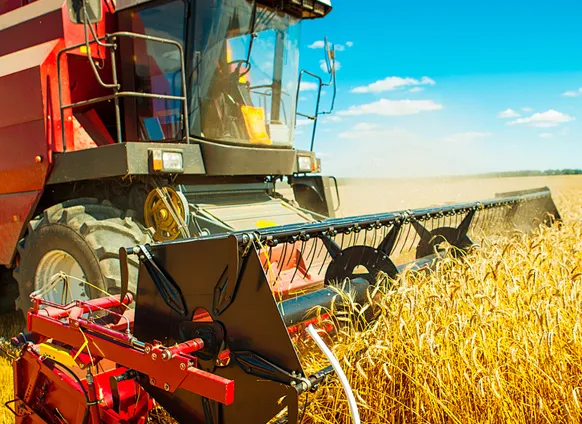
Agricultural equipment programs depend on clear planning, dependable service and a practical understanding of field conditions. For manufacturers and distributors, the value of a product is measured not only by its core function but also by how easily it can be integrated into an established workflow.
Start with the operating objective
Teams should first describe the task they want to improve. Tillage, planting, harvesting, irrigation and transport each require a different balance of capacity, control and maneuverability. Defining the objective helps buyers compare equipment on relevant criteria rather than on isolated specifications. It also creates a useful basis for operator training and seasonal maintenance. A clear task description can include the crop, the field size, the working season and the point in the workflow where delays commonly occur.
Build a practical selection process
A structured review normally includes field dimensions, terrain, soil or crop conditions, tractor compatibility, service access and expected operating frequency. The same product may perform differently in different environments, so local experience remains important. Product documentation, demonstrations and conversations with technical teams can help clarify how a machine should be configured for a particular operation. Buyers can also prepare a simple comparison sheet so that power, capacity, operating method and service considerations are evaluated together.
Support the full working cycle
Equipment planning should include preparation, operation, cleaning, inspection and storage. Clear procedures reduce avoidable interruptions and help operators identify issues early. Spare parts availability, service communication and accessible guidance are valuable considerations for any professional farm or distribution program. A practical implementation plan should assign responsibility for routine checks, record useful observations and make sure the people using the machine understand the approved operating sequence before the busiest period begins.
Share information responsibly
Professional equipment communication should distinguish confirmed features from recommendations that depend on field conditions. Working width, power requirements, crop type and soil characteristics can all affect performance. Responsible communication invites readers to review technical documentation and consult an appropriate specialist before making a final selection. This approach helps manufacturers, dealers and farming teams discuss equipment with greater confidence while avoiding unsupported promises about results, savings or suitability for every environment.
Looking ahead
As agricultural businesses seek more consistent results, practical equipment design will remain central to productivity. Organizations considering new machinery can begin by documenting their task, environment, compatibility requirements and support expectations. With those details prepared, a focused conversation with a supplier becomes more productive. TigerWing presents equipment options across agricultural categories to help teams move from an initial question toward a clear, responsible evaluation and a workable next step.
Implementation checklist
Before a new machine enters regular service, the responsible team can confirm the intended task, operating environment, compatible power unit and available support. A short briefing helps operators understand the sequence of work and the checks required before starting. During the season, simple records about operating conditions, cleaning, inspection and service observations provide useful information for future planning. This disciplined approach does not replace technical guidance; it makes that guidance easier to apply. It also helps distributors explain equipment categories in a clear way and gives farming businesses a practical basis for comparing solutions. By combining accurate information with careful preparation, organizations can make decisions that remain useful beyond a single project or harvest period.